< Back Case Study | Smart Technology MVP
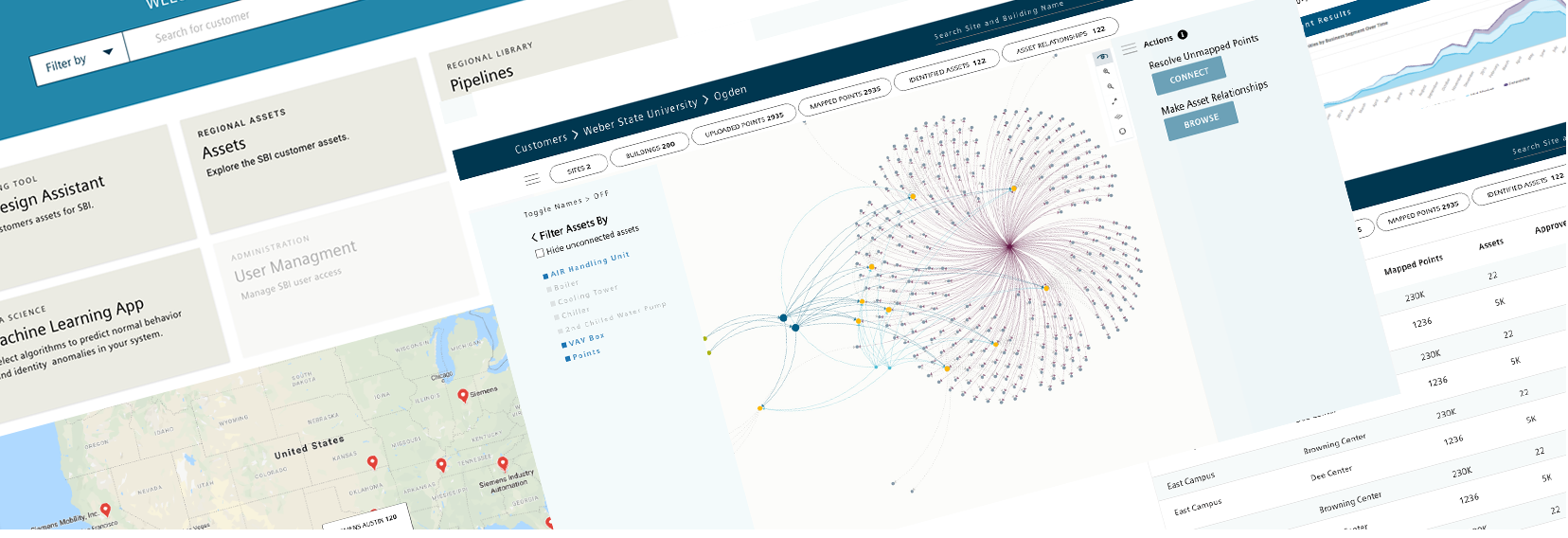
SMART BUILDING TECHNOLOGY
Senior Product Design & Interactions
Summary
A smart commercial building leverages IoT sensors, real-time analytics, and a centralized control platform to monitor and optimize HVAC, energy, water, and power systems. The objective is to proactively identify infrastructure risks—particularly within critical pipeline systems—and prevent operational failures.
Key Insights
Real-time monitoring detects anomalies across energy usage, HVAC performance, and pipeline pressure.
Primary risks identified:
Energy consumption spikes
HVAC inefficiencies or shutdowns
Water pressure drops (leak/blockage indicators)
Power instability
Critical Event Detection
A water pressure drop signals a potential pipeline leak or blockage.
Simultaneously, elevated HVAC energy usage indicates system inefficiency.
Predictive Risk Modeling
60% probability of pipeline failure within 48 hours if unresolved
Projected 15% increase in energy costs due to HVAC inefficiency
Mitigation Actions
Pipeline:
Scheduled inspection (drone-assisted diagnostics)
Activation of backup water systems
HVAC:
Automated system recalibration
Targeted maintenance (airflow, filters, components)
Outcome
Early anomaly detection, predictive analytics, and automated response prevent system failure, reduce costs, and ensure continuous, efficient building operations.
Website: Concept Prototype
Design, Wireframing and Prototyping
Figma
User Studies, interviews and testing.
Stakeholder interviews
Discovery workshops and listening sessions
One-on-one interviews
Graphs, charts and data: Excel
Graphic: Generative AI image creation
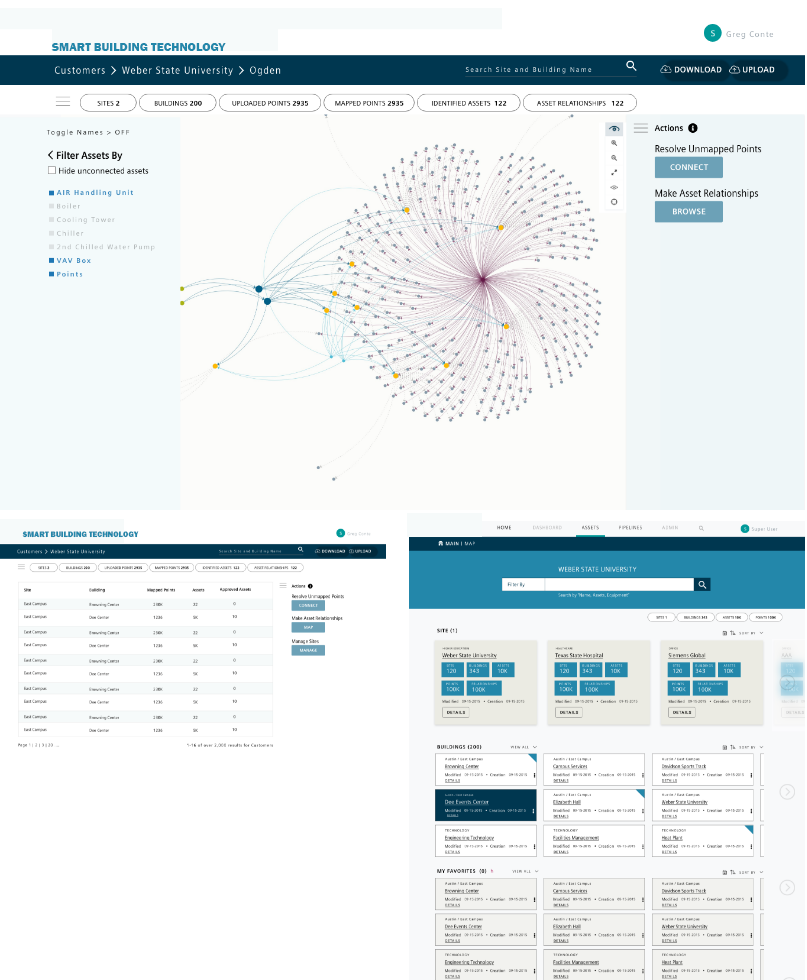
Key features
An HVAC risk assessment dashboard centralizes real-time system data, predictive insights, and automated alerts to proactively monitor performance, identify risks, and optimize efficiency.
Core Capabilities
Real-time monitoring: Tracks temperature, airflow, humidity, energy use, and component status
Alerts & notifications: Flags anomalies with configurable risk thresholds
Predictive analytics: Forecasts failures and inefficiencies using historical data
Energy optimization: Identifies inefficiencies and recommends cost-saving actions
Maintenance automation: Schedules preventive maintenance based on usage and trends
System health visualization: Displays performance via dashboards (graphs, gauges, heatmaps)
Risk scoring: Prioritizes issues by severity and operational impact
Compliance tracking: Monitors adherence to safety and energy standards
Trend analysis: Surfaces historical patterns and recurring issues
Custom configuration: Enables tailored alerts, risk thresholds, and dashboard views
Outcome
Enables proactive maintenance, reduces downtime, improves energy efficiency, and ensures system reliability through data-driven decision-making.

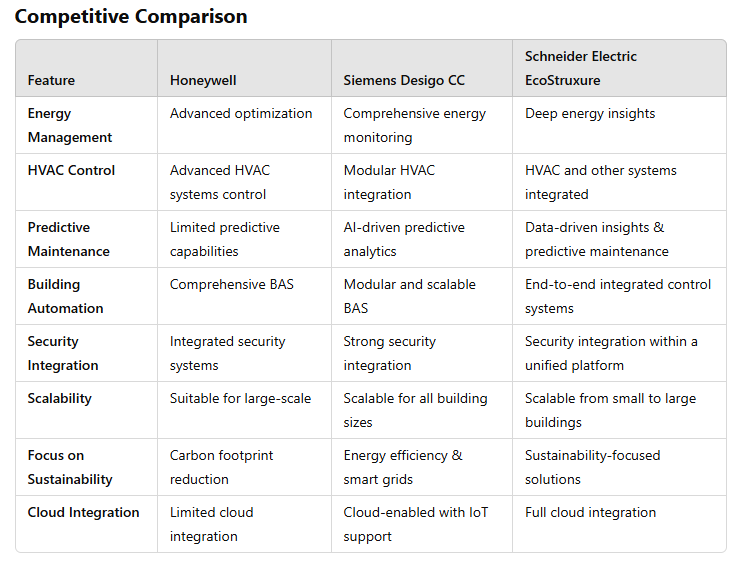
Here’s a competitive analysis of the top three smart building automation systems, focusing on their features, strengths, and areas of differentiation:
Honeywell is a strong player for buildings that require comprehensive solutions across energy, HVAC, and security, especially in large-scale commercial projects.
Siemens Desigo CC offers excellent scalability and integration flexibility with its modular approach and AI-driven analytics, making it ideal for projects requiring a high degree of customization and predictive maintenance.
Schneider Electric EcoStruxure stands out with its focus on sustainability and energy efficiency, combined with its open connectivity and cloud capabilities, making it an excellent choice for buildings seeking smart, green solutions..